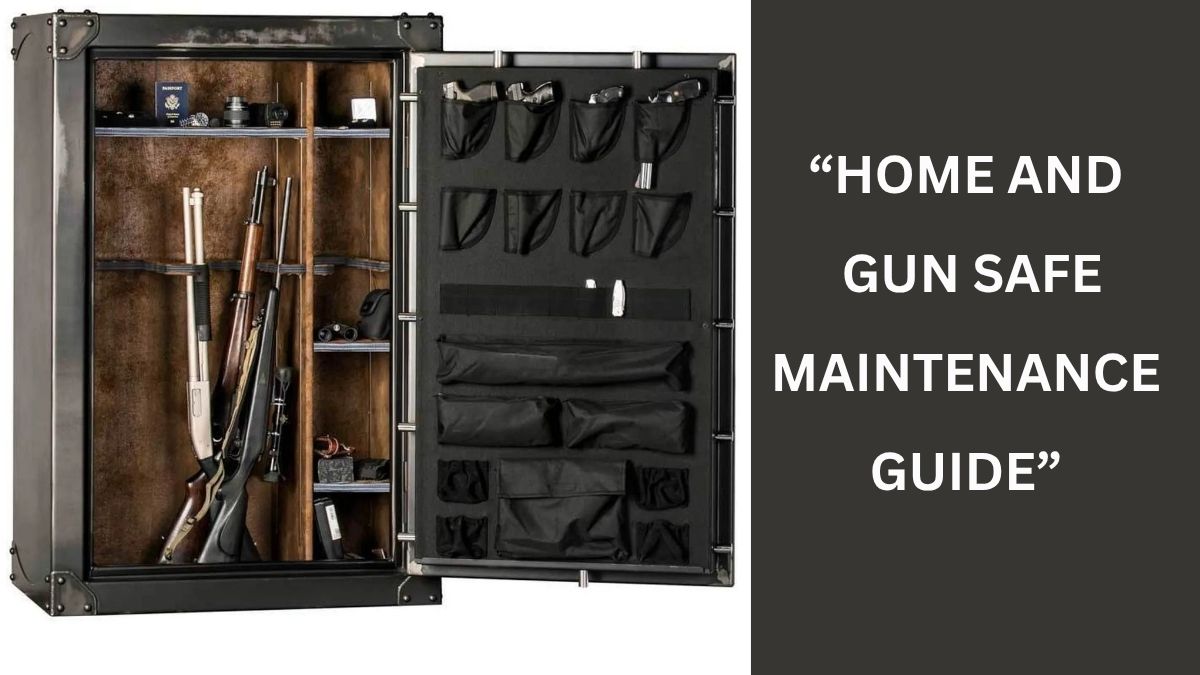
One of the greatest investments you can make is keeping your valuables, sensitive documents, firearms, jewelry, and personal belongings in a safe. For those with large gun safes for storing firearms or compact furniture safes that fit into their decor, it's important to maintain them on a regular basis to ensure their long-term security and reliability.
Once you have a safe installed in your home, you might think there is not much you need to do for it. As with any type of security tool, though, safes can experience problems with time, be it from dust build-up, humidity, worn locking devices, or simply from neglect. Regular maintenance will keep your safe operating and healthy and will help to extend the life of your safe.
In this guide, we will discuss how to perform the most crucial annual home and gun safe maintenance tips to keep your home and gun safes in the best condition possible.
Why Do Safety and Maintenance Matter?
The main purpose of your safe is to keep your valuables safe from theft, fire, moisture, and unauthorized users. Even the best safes can encounter the following issues if they are not maintained appropriately:
- Lock malfunctions
- Rust or corrosion
- Door seal deterioration
- Electronic keypad failure
- Struggling to open or close the mouth
- The fire protection efficiency is lowered
These issues can be preemptively avoided through routine maintenance, thus avoiding the high costs of repairs or security breaches.
1. Check for exterior damage
The first step in annual safe maintenance is a thorough inspection of the exterior of the safe.
Look for:
- Scratches or dents
- Rust spots
- Paint damage
- The bolts or hinges were loose
- Signs of tampering
Any small damage to the exterior can result in larger problems in the future. Rust is a particular threat to the structure and security. When corrosion is observed, use a soft cloth with a metal-safe cleaner to remove it as soon as possible.
If you are looking for a furniture safe, check the cabinetry or furniture structures around it as well. It is especially important to inspect the integrity of the mounting on these safes, as they are frequently hidden in desks, cabinets, or walls.
2. Clean the interior thoroughly
Your safe may collect dust and dirt over the course of the year. This is particularly prevalent in gun safes where lint, dirt, and gun residue can build up.
To clean the interior:
- Carefully empty all contents
- Vacuum corners and shelves
- Use a microfiber cloth to clean surfaces
- Do not over-moisten or use harsh chemicals
Look at brackets for shelves, door pockets, and inside lining. Maintaining an inside cleanliness helps stop odors, mildew, and unnecessary wear.
3. Check Humidity Levels
For many, moisture is one of the major issues that affects safes, particularly when it comes to owners of firearms. Rust on firearms, jewelry tarnishing, and damage to documents can result from excessive humidity.
To control humidity:
- Use a dehumidifier rod
- Pack with silica gel
- Regularly monitor moisture levels
- Store safely in an environment with controlled temperatures
For gun-safe items, especially firearms, moisture is a problem as it will cause corrosion.
To prevent permanent damage, tackle any condensation or musty smell as soon as possible.
4. Test the locking mechanism
Your lock is the most important part of your safe. If your safe is a mechanical dial, digital keypad, or biometric scanner, the safe needs to be tested annually to ensure proper operation.
For Electronic Locks:
- Replace batteries once a year
- Test keypad responsiveness
- Ensure backup keys work properly
- Test for delayed response times to see how quickly the system reacts
For Mechanical Locks:
- Check that the dial rotation is smooth
- Monitor for any abnormal clicking noises
- When locking, make sure they are aligned correctly
Do not force the lock if it is difficult to operate or seems 'stuck.' May need professional servicing to prevent any damage to internal components.
5. Lubricate Hinges and Moving Parts
Hinges and bolts can become stiff over time as a result of dust accumulation or because the grease, oil, or lubricant has dried out.
Use:
- Manufacturer-approved lubricants
- The use of silicone-based products is recommended
- Small amounts only
Do not over-lubricate; too much oil may attract dirt and grime.
The smooth running of hinges and locking bolts ensures easy operation and minimizes undue stress on the safe's internal components.
6. Ensure fire and waterproof seals are checked
Many contemporary safes with fireproof and waterproof protection are available. But door seals can become worn over time.
Inspect:
- Rubber gaskets
- Fire seals
- Door alignment
- Any cracking or peeling
If a seal is damaged, it can diminish the safe's protection of the contents during an emergency. When seals are damaged or broken, it's time to speak with a professional about replacements.
7. Organize and inventory contents
It's a great time to check the contents of your safe during annual maintenance.
Consider:
- Removing unnecessary items
- Updating inventory records
- Checking expiration dates on important documents
- Ensuring firearms are unloaded and properly stored
An organized safe makes it easier to access and keeps you from having too much clutter, which can crowd out the shelves and door compartments.
It is important to organize furniture safely because there is not much space.
8. Check Mounting and Anchoring
Safes must be securely fastened so they cannot fall over or be stolen.
Check:
- Floor anchors
- Wall-mounting hardware
- The stability of the installation area
- Changes or looseness in alignment
It is important for all sizes of furniture and gun safes. A loose safe could lead to insecurity and safety hazards.
9. Update Access Codes and Security Settings
If your safe is set to digital access, it's a good idea to change the code every year.
Choose:
- Unique combinations
- Non-obvious number sequences
- Codes that are not available to the public
If your safe is a fingerprint, update biometric settings! Delete old user profiles and verify that users have the correct access.
10. Make a Professional Maintenance plan if necessary
Some problems need specialists' care. Proper servicing is strongly recommended if your safe exhibits mechanical failure, lock problems, or structural damage.
A trained technician can:
- Calibrate the locks
- Repair hinges
- Replace seals
- Diagnose electronic problems
- Provide adequate fire protection integrity
Professional checks are able to uncover any hidden problems at an early stage without them becoming serious.
Common mistakes to avoid
Here are some common mistakes to avoid:
- Using very strong chemical cleaners
- Ignoring rust spots
- Overloading shelves
- Forgetting battery replacement
- Keeping damp objects in the interior of the house or building
- Delaying repairs
Preventive care is much cheaper than the replacement or repair of damaged valuables or a failed safe.
Final Thoughts
Your safe is an investment for all the years to come and for the protection of what's important to you. Annual maintenance will keep your valuables, firearms, and important documents secure year after year.
Taking the time to inspect, clean, and maintain your gun safe, regardless of its capacity or whether it is a compact furniture safe, can help avoid costly issues and enhance the safety performance of your safe.
Call WFX for top-notch security and safe services to keep your home, valuables, and peace of mind safe.
Frequently Asked Questions (FAQ)
How many times a year should I clean my gun safe?
It’s recommended to perform a full inspection and maintenance routine at least once a year. But checks for humidity and lock testing will be done more often.
How to keep moisture out of gun safes?
Dehumidifier rods, silica gel packs, and a room with climate control are good methods to keep moisture levels down.
Are furniture safes secure enough to be replaced with larger ones?
Indeed, when properly installed and maintained, high-quality furniture safes are an excellent way to secure documents, jewelry, and valuables.
How often should electronic safe batteries be replaced?
Most manufacturers recommend replacing safe batteries annually, even if they still appear functional.
Should I hire a professional for safe maintenance?
If you notice lock issues, damaged seals, or operational problems, professional maintenance is highly recommended to avoid further damage or security risks.