Fire protection systems are vital to keeping commercial and residential properties safe from devastating fire damage. Backflow prevention is one of the most critical yet understated parts of any good fire protection solution. Fire sprinkler backflow testing & prevention services ensure that your water supply is safe, clean, and fully compliant with local regulations without compromising your fire sprinkler system's effectiveness.
For commercial buildings, industrial properties, apartment complexes, or homes, it's important to have regular backflow testing and prevention services to ensure that your water supply and the people living in your building are protected.
Fire Sprinkler Backflow Prevention Explained
Backflow is the reverse flow of water from where it is intended. If there are changes in pressure in a fire sprinkler system, the stagnant water, chemicals, rust, and contaminants can be capable of moving back into the clean public water supply.
Backflow prevention devices are employed to prevent contaminated water from coming back into the potable water line. They serve as a barrier between the fire protection system and the public water supply.
If left untested and unmaintained, a backflow preventer can malfunction, causing potential health hazards, expensive violations, and inefficient systems.
Why is Backflow Testing Important?
Local municipal and fire authorities may require basic backflow testing, and it is always a good practice! An annual inspection will ensure that the backflow prevention assembly is operating properly and providing the protection needed.
Let's look at some of the main reasons why regular testing is important:
Protects Public Health
The health risks to occupants of buildings and surrounding communities due to water contamination can be serious. There is nothing worse than having contaminated water enter clean drinking water systems, which happens in backflow testing.
Complies with the standards of fire safety
Most local and state codes insist on backflow testing of commercial and industrial fire protection systems annually. Remaining compliant means that you will save yourself from penalties, failed inspections, and disruption of operations.
Prevents Costly Repairs
An improperly functioning backflow device can cause significant plumbing damage, system failures, and contamination problems. Regular testing allows you to catch any problems in a timely fashion before costly emergency repairs are needed.
Ensures System Reliability
A well-maintained fire sprinkler system is efficient in fire emergencies. Regular testing ensures your fire protection equipment is operating as it should when you need it to work!
How does fire sprinkler backflow testing work?
Professional backflow testing is a comprehensive examination of the backflow prevention assembly that is connected to your fire protection system. Specialized testing equipment is used by certified technicians to assess the performance of the valves and test the pressure levels, as well as the functionality of the device.
Generally, it involves the following steps:
- Checking the backflow prevention assembly
- Checking shut-off valves and pressure zones
- Testing of internal check valves
- Measuring pressure differentials
- Knowing where to look for leaks, corrosion, or wear
- Providing compliance documentation and reports
When problems are identified, technicians can suggest repairs, replacements, or upgrades to restore the proper functioning of the system.
Signs Your Backflow Preventer May Need Service
Any possible signs of a backflow issue should not be ignored by property owners. Your system might need to be tested or repaired if you experience any of the following:
- Discoloured or foul-smelling water
- Rapidly changing water pressure
- Sees a leak around the backflow assembly
- Strange sounds of the water pipes
- Valves that are corroded or rusted
- Failed inspection reports
- Water that is moving upstream
If any of these warning signs are detected, the need for urgent service can help to avert larger issues.
Types of Backflow Prevention Devices
There are a variety of different properties and fire protection systems that call for different backflow prevention assemblies. The most widely used devices are the following:
Double Check Valve Assembly (DCVA)
It is used widely in low-hazard fire sprinkler systems. Includes two separate check valves to prevent backflow of water.
Reduced Pressure Zone Assembly (RPZ)
An RPZ assembly will offer a more robust level of protection and may be mandated for high-risk systems that can present severe health risks.
Pressure Vacuum Breaker (PVB)
PVB systems aid in the prevention of back-siphonage caused by a loss in water supply pressure. They are frequently employed in irrigation and some applications for fire protection.
Detector Check Assemblies
These assemblies are designed specifically for fire sprinkler systems and can be used to identify unauthorized water usage as well as to prevent contamination.
There are several types of backflow prevention devices available, and the selection of the best device depends on the type of building, water system requirements, and local code requirements.
Importance of Professional Fire Sprinkler Services
Fire protection systems are very specific and should only be installed or serviced by a trained professional. Certified technicians are knowledgeable about local fire safety codes, testing methods, and compliance requirements for proper inspections.
Professional Fire Sprinkler Backflow Testing & Prevention Services offer the following:
- Certified annual inspections
- Correct testing and reporting
- Code compliance assistance
- Emergency repair services
- Preventive maintenance solutions
- A variety of system upgrades and replacements
- Long-term security of your property
Advanced technicians can also check other components of your fire sprinkler system to make sure that the system is fully functional and safe.
Understanding fire sprinkler components
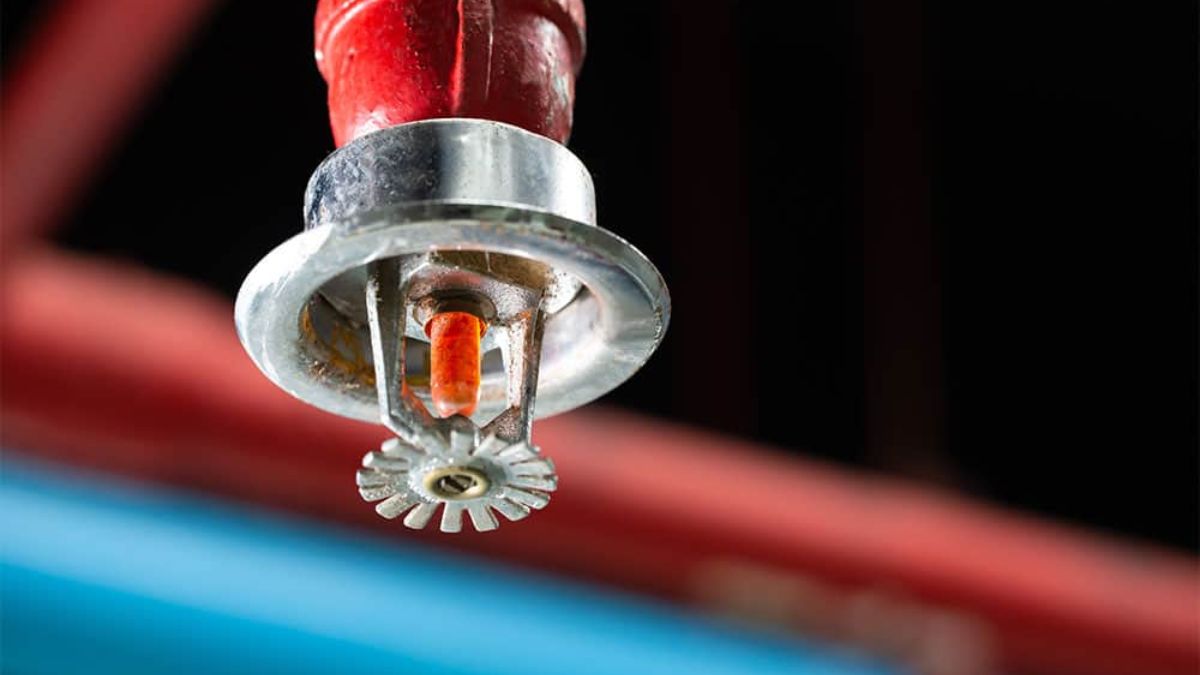
A reliable fire protection system is a combination of various components that act as a whole to quickly detect and extinguish fires. Some of the more obvious and important pieces are sprinkler heads and backflow preventers.
Fire sprinkler heads come in a variety of types, which are appropriate for different applications, fire hazards, and environments, such as pendent, upright, sidewall, and concealed sprinkler heads. Choosing the right sprinkler head design enhances the ability of the sprinkler system to suppress fires and comply with the building safety code.
Benefits of Preventive Maintenance
One of the best ways that property owners can invest in fire safety is through preventive maintenance. Proactive maintenance and regular checks can help prolong the useful life of equipment, minimize downtime due to unforeseen issues, and maintain system performance.
Key benefits include the following:
- Increased fire protection reliability
- Reduced emergency repair costs
- Improved regulations compliance
- Increased equipment lifespan
- Improved water system safety
- The property owner is given a sense of security
It is a great idea to schedule yearly checks and maintenance to let you know of minor problems before they become big ones.
Protect Your Property With Reliable Backflow Services
Fire sprinkler backflow prevention is an important component of keeping your property safe and compliant. Failing to perform regular inspections can put your building, its tenants, and water supply under threat. Property owners who invest in professional fire sprinkler backflow testing & prevention services can be assured that their systems are reliable, efficient, and code-compliant all year long.
For any commercial, industrial, or residential property, regular testing and maintenance can help to protect your investment and keep you safe from potential fire emergencies down the road.
At WFX, our team of professionals will ensure you receive reliable fire protection solutions that will help maintain safe and efficient systems. Our team of experienced professionals will provide you with a professional inspection, maintenance, and backflow prevention service that meets your property's needs.
Frequently Asked Questions (FAQ)
How often should backflow testing of fire sprinklers be done?
A majority of fire safety codes and municipal requirements mandate an annual backflow test to make sure the system is working properly and compliant.
What happens if a backflow preventer fails inspection?
Repairs or replacement might be required to restore the device to proper operation and local compliance standards if a device fails the test.
Does backflow contamination impact drinking water?
Yes. If the backflow preventer is not working, water flowing from the fire sprinkler system can go into the clean water system.
Do residential properties need backflow testing services?
There are numerous requirements for fire sprinkler systems in residential buildings, though these differ from place to place; generally, they involve periodic inspections and testing.
Why should I hire certified professionals for backflow testing?
Certified professionals are trained, equipped, and knowledgeable to accurately test and keep your fire protection system code current and safe.